Showing posts with label Non Food Processing. Show all posts

Monday, May 2, 2011

How to Turn Corn into Biofuel

obama-corn-biofuels-ethanol-biodiesel
If gas prices are too high for you and your car can run on ethanol E-85, you can try making your own biodiesel from corn. The process is complex and there are some security measures you need to know, but almost anyone can make biofuel for your car (or other) right in your own backyard.

Things you need:
  • Corn
  • Enzyme liquefaction
  • Water
  • Authorization distillation fuel
  • Distiller
  • Screening mill (7/64th inch)
  • Disk Mill

Directions:
  1. Grind corn, similar to the consistency of corn.
  2. Add water (not corn, not yet) to cook in peace and bring the temperature up to 170 degrees (F). You'll need about 30 gallons of water per bushel of corn.
  3. Slowly add the corn meal, ground water, but be careful not to cause "lumps".
  4. Add three measuring spoons (supplied with enzyme) to a value of the enzyme alpha-amylase in the mixture.
  5. Stir the solution at this temperature for 15 minutes.
  6. Increasing the temperature of the mixture to a boil and simmer for 30 minutes drive.
  7. Reduce heat after 30 minutes at 170 degrees.
  8. Add three tablespoons of enzyme and stir for 30 minutes.
  9. Reduce temperature to 85 degrees (F) and adding six more tablespoons of the enzyme.
  10. Store at 85 degrees for 48-72 hours to complete the fermentation.
  11. After fermentation is complete, you must use the mill screening to filter the mixture. What will you be left to the is E85.

Sunday, March 6, 2011

The First Discovery of Commercial Potential of Natural Rubber

Charles Marie de La Condamine is credited with introducing samples of rubber to the Académie Royale des Sciences of France in 1736. In 1751, he presented a paper by François Fresneau to the Académie (eventually published in 1755) which described many of the properties of rubber. This has been referred to as the first scientific paper on rubber.

The para rubber tree initially grew in South America, and the first European to return to Portugal from Brazil with samples of water-repellent rubberized cloth so shocked people that he was brought to court on the charge of witchcraft. When samples of rubber first arrived in England, it was observed by Joseph Priestley, in 1770, that a piece of the material was extremely good for rubbing out pencil marks on paper, hence the name rubber.

South America remained the main source of what limited amount of latex rubber was consumed during much of the 19th century. However in 1876, Henry Wickham gathered thousands of seeds from Brazil, and these were germinated in Kew Gardens, UK. The seedlings were then sent to Ceylon (Sri Lanka), Indonesia, Singapore and British Malaya. Malaya (now Malaysia) was later to become the biggest producer of rubber. About 100 years ago, the Congo Free State in Africa was also a significant source of natural rubber latex, mostly gathered by forced labor. Liberia and Nigeria also started production of rubber.

In India, commercial cultivation of natural rubber was introduced by the British Planters, although the experimental efforts to grow rubber on a commercial scale in India were initiated as early as 1873 at the Botanical Gardens, Kolkata. The first commercial Hevea plantations in India were established at Thattekadu in Kerala in 1902.

Monday, January 10, 2011

Development of Biogas as Potential of Alternative Energy in Indonesia

The cycle of Biogas
Development of Biogas as Potential of Alternative Energy in Indonesia - The reduction in fossil energy reserves of the world, including in Indonesia, forcing all parties to seek solutions to these problems. Various alternative energy sources have been tested and researched, one of which is biogas.

Use of biogas as an alternative energy in Indonesia is very possible to be applied in society, especially now fuel prices are more expensive and sometimes scarce existence. The amount of the potential for solid waste biomass in Indonesia is 49807.43 MW. Biomass such as wood, from the activities of the forest processing industry, agriculture and farming, animal manure, such as faecal of cow, buffalo, horses, and pigs are also found in almost of all Indonesian provinces with different qualities. At this time biomass  as a source of raw material of biogas is available in abundance and not fully utilized (Supardjo, 2005).

In general, the use of agricultural waste as raw material is more difficult to process to be biogas than the manure. The time required for the hydrolysis of cellulose from agricultural waste materials is longer than manure.

Simplify diagram of biogas digester
Several programs have been implemented by the Indonesian government to increase the use of biogas technology, such as installation and demonstration training for people to operate digester. In 1984, the number of digester that has been built in Indonesia only 100 units. Nine years later reaches 350 units (Wiloso et al., 1995). The non-significant of increasing the number of digesters due to the high cost to build the digester installation. This technology is already widely used by cattle farmers in the area Boyolali since the 1990s and still operates to this day. Research conducted in 2000 to produce biogas digester design made of plastic material and in 2005 the design is marketed at a price of 1.5 million rupiahs per installation is expected to increase the interest of farmers to use it (Aprianti, 2005).

In 2005, cattle farmers in Lembang, Bandung District began using biogas technology with digester made of 250 micron plastic. About 66 cattle farmers in the area of Subang, Garut and Tasikmalaya also been using digester with a capacity of 5000 liters. This condition is expected to occur also in farm areas outside of Java.

Biogas digester design
made of plastic material
Research on anaerobic digestion technology that has lasted more advanced in recent years. The study was conducted by private companies, scientific community, education institutions, and cooperation between industry and government. The benefits of anaerobic digestion is determined on improving the process of generating a higher biogas per m3 of biomass and the increasing degree of degradation. Further benefits can also be enhanced with the process of effluent conversion into more valuable products (Hartmann and Ahring, 2005). The study proceed several patented system which provides several advantages in system efficiency, size, capital costs, treatment flexibility, process stability and operating costs.

A research was conducted in the United States on feasibility of fuelcell technology to convert biogas into electrical energy. Today the technology is not yet economically feasible, but is expected sometime in 2010 is to be used. Compared with diesel generators, fuelcells more efficiently convert biogas into electrical energy (10- 30%: 40-50%) (Aldrich et al., 2005).

Biogas technology is a technology that can be used anywhere as long as there is supply availability of waste to be processed and has enough water. In developed countries the development of biogas technology in line with the development of other technologies. For the conditions in Indonesia, biogas technology can be built with collective ownership and maintained together. Some of the reasons why the use of biogas has not been popular among ranchers or if there are many who no longer operate, that is, less socialization, less practical applied technology and need careful maintenance and a lack of knowledge of farmers about the maintenance of the digester.

by: Harrys, 01/10/11

References:
  1. Aldrich, B., S. Minott and N. Scott. 2005. Feasibility of fuel cells for biogas energy conversion on dairy farms. Manure Management Program.
  2. Aprianti, Y. 2005. Andrias Wiji Setio Pamuji : Penemu reaktor biogas. Kompas 15 Agustus 2005.
  3. Hartmann, H. dan B.K. Ahring. 2005. The future biogas productions.
  4. Soepardjo, A.H. 2005. Energi baru dan terbarukan. Kompas 24 Oktober 2005.
  5. Wiloso, E.I., T. Basuki  and S. Aiman. 1995. Utilization of agricultural wastes for biogas production in Indonesia. Proc. of the UNESCO - University of Tsukuba International Seminar on Traditional Technology for Environmental Conservation and Sustainable Development in the Asian-Pacific region, Tsukuba Science City . Japan 11 - 14 Dec, 1995.
Related posts:

Sunday, January 9, 2011

About Latex (3)

Pigmenting of Latex

Commercial latex pigmenting liquid
Latex is usually pigmented by preparing a pigment dispersion and then mixing this with the latex to provide the final colored product. By using the same procedure as in master-batching; i.e., taking a crude dispersion of the pigment, adding this slurry to the latex and homogenizing the two materials, a phase transfer can be achieved in which the pigment is removed from the aqueous phase and deposited inside the latex particles. 

This provides a more intense color, improves washability and fade resistance and, generally, improves the physical characteristics of the paint. This process has made possible the use of the acrylic artists' watercolors. Without homogenization it would not be possible to achieve the brilliance and depth of color.

Oil Extending Latex

Pearl pigment for latex
The use of mineral oils in the compounding of rubber has been standard for many years to improve the working characteristics of the rubber and reduce the cost of the final compound. Oil can be introduced into the latex as an emulsion and mixed with the latex emulsions or, simply, as oil mixed with the latex emulsion, but none of these provide a true, uniform, stable mixture of oil and latex. Mixing oil and latex together and then homogenizing will produce a uniform product having superior physical characteristics.

Plasticizing of Latices

Many of the synthetic resin latices are extremely hard and brittle, but for a number of applications they must be modified to have greater flexibility and improved adhesion. Plasticizers normally used with these synthetic resins are commonly mixed with the latices under continuous agitation, heat, and pressure in an autoclave for one and one-half hours or longer to cause the plasticizer to migrate into the latex particle. By use of the
homogenizer both the time and temperature may be materially reduced in this operation.

Reduction of Agglomerates

In the emulsion polymerization of latices, many of the small polymer particles tend to loosely join together forming agglomerates. In some polymerization reactions the total quantity of agglomerates can reach 10% of the batch. If the latex is to be used for paint or fine-coating applications, these must be filtered out prior to use. By homogenizing, 90% of this agglomerated material can be separated back to the original particle size, reducing the load on the filter to 1% and saving up to 9% of the latex that would formerly have been lost.

Equipment and Process

For latex processing the APV homogenizers are operated in the pressure range of 2000 psig (13.8 MPa) to 8000 psig (55.2 MPa). These machines should have special wearing parts, when they are used to disperse solids or pigments.

Testing

The methods and type of equipment used cover approximately everything used in the paint and rubber fields. The microscope, however, is extremely useful to analyze solid dispersions, and a viscometer would be used for thread or for growing of latex particle operations.

References:
  • Bennett, D. A., British Patent 976,212 (1964).
  • Bennett, D. A., British Patent 976,213 (1964).
  • Bennett, D. A. and K. G. Burridge, British Patent 976,214 (1964).
  • Bennett, D. A., U.S. Patent 3,573,243 (1971).
  • Burke, Jr.; O. W., U.S. Patent 4,344,859 (1982).
  • Calvert, K. O., Ed., Polymer Latices and Their Applications (London: Applied Science Publishers, 1982)
  • Halper, W. M. and F. D. Moss, British Patent 1,124,418 (1968).
  • Kraus, G. Reinforcement of Elastomers [New York: Interscience Publishers (John Wiley), 1965]
PAGE 3 OF 3: PAGE   1   -   2   -   3

Sunday, January 2, 2011

About Latex (2)

Compounding of Latex

Rubber tapper pouring latex into
a mould at a plantation
Latex to be used for dipping, coating, and rug-backing must be mixed with compounding agents which include: 
  1. stabilizers including surfactants 
  2. vulcanizing agents
  3. vulcanization accelerators
  4. antioxidants 
  5. fillers
  6. viscosity modifiers (thickeners) and 
  7. gel sensitizers
These ingredients provide the physical characteristics required in the final product. This requires a uniform, fine dispersion of these chemicals in the latex, which can be accomplished with the homogenizer.

Growing of Latex Particles

In the manufacture of foam rubber, it is desirable to have a latex solids content of 60 to 65% and still have a workable viscosity of not over 2000 cP, prior to foaming. Lower solids content will result in cells of insufficient wall thickness, causing collapse of the foam with light loads.

There are a number of methods of preparing the latex, so that it may be concentrated without acquiring an excessive viscosity. These methods are:
  1. solvent addition
  2. soap neutralization
  3. electrolyte addition
  4. freeze agglomeration
  5. chemical agglomeration 
  6. pressure agglomeration by homogenization.

Only the latter three are used commercially, and homogenization is the preferred method. Various parameters will affect the extent of agglomeration: pH, solids content, temperature, soap-to-rubber ratio and homogenizing pressure. 

To increase agglomeration one must make one or more of the following changes:
  • decrease pH,
  • increase solids,
  • decrease temperature,
  • decrease soap-to-rubber ratio and increase homogenizing pressure.
  • The use of the homogenizer for agglomeration is covered by a number of patents.

Thread

Thread from Latex
Thread is usually made from natural latex, although there is an increasing use of some of the synthetics in this application. Thread is manufactured by dispersing into this latex: vulcanizing agents, antioxidants, fillers, opacifiers, etc. Frequently, when these materials have been incorporated in latex, the viscosity of the latex is increased. Since the latex thread is manufactured by gravity flow of latex through a spinnerette and into a coagulating bath, any change in viscosity will result in a change in the thread diameter or, in extreme cases, breakage of the thread. It has been found that passing the latex through the homogenizer stabilizes the viscosity and ensures a uniform compound.

Master-Batching

In normal master-batching, a latex is coagulated, washed, dried and then mixed in a rubber mill with carbon black or other reinforcing agents to provide a fine, uniform dispersion of the reinforcing agent to obtain maximum strength in the elastomer. There are processes for mixing carbon black dispersions with liquid latex prior to coagulation, but these methods do not achieve the same tensile strength as the dry mixing method. By mixing a crude carbon black aqueous dispersion with a latex and homogenizing the mixture, it is possible to obtain an intimate combination of the carbon black and the latex, which results in a rubber having higher tensile strength than rubber made by the normal methods of master-batching.

PAGE 2 OF 3: PAGE  1   -   2   -   3

Friday, December 31, 2010

About Latex (1)

What is Latex?

Rubber tree
In the webdictionary  Latex is defined as a milky exudate from certain plants that coagulates on exposure to air. Some literatures define Latex as an emulsion of rubber in water, used in adhesives and the like or the milky sap of several trees that coagulates on exposure to air; used to make rubber.

About Latex

Natural latex is a milky liquid secreted by a variety of plants that grow in the tropics. It is not a sap, and its function in the plant is not well understood. The latex produced by the rubber tree contains about 30 to 40% rubber hydrocarbon (polyisoprene) suspended in water. Today, the term latex applies not only to the natural suspensions but also to suspensions of synthetic rubber and synthetic elastomers. Some of these synthetic materials are: styrene-butadiene copolymers, acrylonitrile-butadiene (nitrile) rubbers, chloroprene rubbers, acrylic copolymers, synthetic cis-polyisoprene, vinyl acetate co-polymers, vinyl chloride copolymers and butyl rubber.

All latices, both natural and synthetic, are shear-sensitive to varying degrees. This means that under shear these materials can coagulate. Raw natural latex is matured with time to produce a more stable product. If raw latex is not allowed to mature, processing becomes very difficult because of agglomeration. Raw latex may contain soaps and ammonium hydroxide to maintain stability. This shear instability makes it difficult to process latices with high shear equipment such as mixers or colloid mills. However, the homogenizer has been extremely successful in this operation. The success of the homogenizer is due to the fact that the instability of latex is a function of the degree of shear and the time to which it is exposed to this shear. In the homogenizing valve the degree of energy input is high, but the time is essentially zero, thus permitting the processing of the most shearsensitive latices with the minimum of coagulation. However, even in the best processing conditions, latex may agglomerate inside the homogenizer pump requiring routine cleaning of the machine to maintain good pumping action.

The homogenizer has a number of applications in the processing of latex. The following list indicates the diversity of its usage in the field.
  1. Dispersion of compounding ingredients in latex.
  2. Agglomerating or growing of latex particles.
  3. Manufacture of latex thread or filaments.
  4. Master-batching of latex prior to coagulation. (Carbon black or other reinforcing agents)
  5. Pigmenting of latices.
  6. Incorporation of extending oils to latices.
  7. Plasticizing of latices.
  8. Reduction of agglomerates in synthetic latices. 

Objectives for Latex

The objectives for these various latex applications cover a range of goals that sometime seem contradictory. For example, a latex particle can be either increased or decreased in size by the same piece of equipment; i.e., the APV homogenizer, depending upon the conditions of operation and the type and percentage of surfactant present in the formulation. A brief summary of the objectives for each application follows.

PAGE 1 OF 3: PAGE 1 - 2 - 3

Monday, October 25, 2010

Agroindustry of Fermented Products

FERMENTATION
  • Derived from ‘fervere’: boiling appearance of the action of yeast on extracts of fruit/malted grain.
  • It is due to the production of CO2 bubbles caused by the anaerobic catabolism of the sugars present in the extract.
  • Biochemists = fermentation = generation of energy by catabolism of organic compound
  • Industrial microbiologist = fermentation = any process for the production of product by the mass culture of a microorganism (Stanbury & Whitaker, 1984)
  • Fermentation = gradual change done by enzymes of microorganism (mold, yeast, bacteria) (Hidayat et al, 2006)

The Range of Fermentation Processes
  • There are 4 major groups of commercially important fermentations :
    1. produce microbial cells (or biomass) as the product, co : baker’s yeast, yeast for single cell protein, ‘ragi’, probiotics
    2. produce microbial enzymes, co: amylase, protease, pectinase, catalase, glucose oxidase, etc
    3. produce microbial metabolites, co : ethanol, citric acid, vitamins, acetone, butanol, glutamic acid, lysine, etc
    4. modify a compound which is added to the fermentation– the transformation processes, co: conversion of ethanol to acetic acid at vinegar, production of steroid, antibiotics and prostaglandin
  • the advantages : operating at relatively low temperature, without the requirement for potentially polluting heavy metal catalyst.

The Chronological Development of The Fermentation Industry
  • Pre 1900 : alcohol and vinegar; batch, using pure cultures and ‘good vinegar
  • 1900 - 1940 : baker’s yeast, glycerol, citric acid, lactic acid, acetone / butanol; bath fed batch - using pure cultures
  • 1940 - date : penicillin, streptomycin, other antibiotics, gibberelin, amino acid, nucleotides, enzyme, transformation; batch, fed batch, continuous, mutation and selection programmes essential
  • 1960 - date : single cell protein; continuous medium recycle, genetic engineering of production strains
  • 1979 - date : foreign compounds, not normally produced by microbial cells ex : insulin, interferon; batch, fed batch continuous batch, genetic engineering to introduce foreign genes into microbial host

Fermentation Products and their Microbial Producers


The Present Development of Industrial Fermentation
  • Microbial cell of probiotics : capsule, drink/beverages
  • Amylase and glucose isomerase for fructose syrup production as diet sweetener
  • Colouringagent from microorganism for textile colours
  • Biodieselas energy source to replace petroleum
  • Bioinsecticides
  • Microbial bioplastics(Polyhydroxyalkanoates)
  • Isoflavonof soybean
  • Lipase for detergent 

By: MS. Maulana

Thursday, October 21, 2010

Student converts cooking waste oil to fuel vehicles

In January 2009, a fifth-year University of Rhode Island student, Mike Bailey along with chemistry professors Brett Lucht and Brenton DeBouf launched a pilot program where they collected cooking waste oil from the dining halls and made 20 gallons of biodiesel fuel per-week.

Bailey said the process was a one to one reaction where 20 gallons of cooking waste oil made 20 gallons of biodiesel fuel.

He said that although it's a registered fuel, he thinks it's not used as often as diesel because not as many people know about it.

Bailey said biodiesel fuel is generally less expensive than diesel fuel, is less toxic and allows for a cleaner environment. It's better for a vehicle's engine, and doesn't smell like diesel he added.

University trucks across campus were being fueled with Bailey's biodiesel for about a year until the university felt the pilot program wasn't feasible.

Bailey along with another student he was working with had difficulty converting the fuel in a timely fashion. He said it was difficult for them to balance their classwork with the work in the lab. The two tried to continue the program in the summer, but there wasn't enough cooking oil being used on campus because students were gone for the summer.

The URI President's Council on Sustainability, on which Bailey is an undergraduate representative, has suggested sending URI's cooking waste oil to a company where it will be converted and sent back to the university to fuel its trucks.

Bailey now works for Newport Biodiesel where he converts waste oil on a larger scale. The company collects cooking waste oil from surrounding restaurants and supplies biodiesel for all of Rhode Island and makes 2,300 gallons of biodiesel per day as compared to the 20 gallons URI was making per week. The company's biodiesel fuel is used for heating homes and transportation and as an employee Bailey said he gets free biodiesel fuel for his vehicle.

The North Providence, R.I. native said he will graduate in December and hopes to continue working for Newport Biodiesel in years to come.

"I tell people [to] eat more French fries so I can get more oil," Bailey said.

Noelle Myers
Issue date: 10/20/10

Retrived from: Ramcigar

Wednesday, October 13, 2010

About Chitosan

Chitosan (other name: poliglusam)
Chitosan (pronounced /ˈkaɪtɵsæn/) is a linear polysaccharide composed of randomly distributed β-(1-4)-linked D-glucosamine (deacetylated unit) and N-acetyl-D-glucosamine (acetylated unit). It has a number of commercial and possible biomedical uses.
Manufacture and properties

Chitosan is produced commercially by deacetylation of chitin , which is the structural element in the exoskeleton ofcrustaceans (crabs, shrimp, etc.) and cell walls of fungi. The degree of deacetylation (%DD) can be determined by NMRspectroscopy, and the %DD in commercial chitosans is in the range 60-100 %.

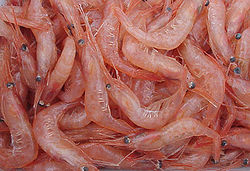
Commercial chitosan is derived from the shells
of shrimp and other sea crustaceans, including
Pandalus borealis, pictured here.
The amino group in chitosan has a pKa value of ~6.5, thus, chitosan is positively charged and soluble in acidic to neutral solution with a charge density dependent on pH and the %DA-value. This makes chitosan a bioadhesive which readily binds to negatively charged surfaces such as mucosal membranes. Chitosan enhances the transport of polar drugs across epithelial surfaces, and is biocompatibleand biodegradable. Purified qualities of chitosans are available for biomedical applications.
Chitosan and its derivatives such as trimethylchitosan (where the amino group has been trimethylated) have been used in non-viral gene delivery. Trimethylchitosan, or quaternised chitosan, has been shown to transfect breast cancer cells; with increased degree of trimethylation increasing the cytotoxicity and at approximately 50% trimethylation the derivative is the most efficient at gene delivery. Oligomeric derivatives (3-6 kDa) are relatively non-toxic and have good gene delivery properties.[2]

Usage
  • Agricultural and horticultural use
    • Natural biocontrol and elicitor
      NASA life support GAP technology with untreated beans (left tube) and
      ODC chitosan biocontrol treated beans (right tube) returned from the Mir
      space station aboard the space shuttle – September 1997 
      • In agriculture, chitosan is used primarily as a natural seed treatment and plant growth enhancer, and as a ecologically friendly biopesticide substance that boosts the innate ability of plants to defend themselves against fungal infections.[3] The natural biocontrol active ingredients, chitin/chitosan, are found in the shells of crustaceans, such as lobsterscrabs, andshrimp, and many other organisms, including insects and fungi. It is one of the most abundant biodegradable materials in the world. Degraded molecules of chitin/chitosan exist in soil and water. Chitosan applications for plants and crops are regulated by the EPA, and the USDA National Organic Program regulates its use on organic certified farms and crops.[4] EPA approved biodegradable chitosan products are allowed for use outdoors and indoors on plants and crops grown commercially and by consumers.[5] The natural biocontrol ability of chitosan should not be confused with the effects of fertilizers or pesticides upon plants or the environment. Chitosan active biopesticides represent a new tier of cost effective biological control of crops for agriculture and horticulture[6]
      • The biocontrol mode of action of chitosan elicits natural innate defense responses within plant to resist insects, pathogens, and soil-borne diseases when applied to foliage or the soil.[7] Chitosan increases photosynthesis, promotes and enhances plant growth, stimulates nutrient uptake, increases germination and sprouting, and boosts plant vigor. When used as seed treatment or seed coating on cotton, corn, seed potatoes, soybeans, sugar beets, tomatoes, wheat and many other seeds, it elicits an innate immunity response in developing roots which destroys parasitic cyst nematodes without harming beneficial nematodes and organisms.[8][9] Agricultural applications of chitosan can reduce environmental stress due to drought and soil deficiencies, strengthen seed vitality, improve stand quality, increase yields, and reduce fruit decay of vegetables, fruits and citrus crops (see photo right).[10] Horticultural applications of chitosan increases blooms and extends the life of cut flowers and Christmas trees.[11] The US Forest Service has conducted research on chitosan to control pathogens in pine trees.[12][13] and chitosan's ability to increase pine tree resin pitch outflow by 40% to resist pine beetle infestation.[14]
      • Chitosan has a rich history of being researched for applications in agriculture and horticulture dating back to the 1980s.[16] By 1989, Bentech Labs patented chitosan salt solutions applied to crops for improved freeze protection or to crop seed for seed priming.[17] Shortly thereafter, Bentech's chitosan salt received the first ever biopesticide label from the EPA. Numerous other chitosan patents for plants soon followed. Chitosan applications to protect plants have been used in space as well. NASA first flew a chitosan experiment to protect adzuki beans grown aboard the space shuttle and Mir space station in 1997 (see photo left).[18] NASA results revealed chitosan induces increased growth (biomass) and pathogen resistance due to elevated levels of beta 1-3 glucanase enzymes within plant cells. NASA confirmed chitosan elicits the same effect in plants on earth.[19] Over 20 years of R&D by DuPont/ConAgra Ventures (DCV) and AgriHouse Inc have gone into developing non-toxic low molecular weight chitosan polymer solutions safe enough for broad spectrum agricultural and horticultural use.[20][21] In 2008, AgriHouse Inc, Denver (Berthoud), Colorado, was granted EPA natural broad spectrum elicitor status for YEA! Yield Enhancing Agent, a liquid solution containing an ultra low molecular active ingredient of 0.25% chitosan.[22] YEA! is a next generation natural chitosan elicitor solution for agriculture and horticultural uses, and was granted an amended label for foliar and irrigation applications by the EPA in June, 2009. A milliliter of YEA! contains over 14.4 X 10¹³ bioactive low molecular weight chitosan molecules, and it is 600 times more effective than common chitosan.[23] Given its low potential for toxicity and its abundance in the natural environment, chitosan does not harm people, pets, wildlife, or the environment when used according to label directions.[24] Agricultural chitosan facts are located on USDA and EPA web sites.[25][26]
    • Water Filtration
      • Chitosan can also be used in water processing engineering as a part of a filtration process. Chitosan causes the fine sediment particles to bind together, and is subsequently removed with the sediment during sand filtration. Chitosan also removes phosphorus, heavy minerals, and oils from the water. Chitosan is an important additive in the filtration process. Sand filtration apparently can remove up to 50% of the turbidity alone, while the chitosan with sand filtration removes up to 99% turbidity.[27] Chitosan has been used to precipitate caseins from bovine milk and cheese making. [1][2]
      • Chitosan is also useful in other filtration situations, where one may need to remove suspended particles from a liquid. Chitosan, in combination with bentonitegelatinsilica gel,isinglass, or other fining agents is used to clarify winemead, and beer. Added late in the brewing process, chitosan improves flocculation, and removes yeast cells, fruit particles, and other detritus that cause hazy wine. Chitosan combined with colloidal silica is becoming a popular fining agent for white wines, because chitosan does not require acidic tannins (found primarily in red wines) with which to flocculate.[28]
  • Industrial use
    • Scientists have recently developed a polyurethane coating that heals its own scratches when exposed to sunlight, offering the promise of scratch-free cars and other products. The self-healing coating uses chitosan incorporated into traditional polymer materials, such as those used in coatings on cars to protect paint. When a scratch damages the chemical structure, the chitosan responds to ultraviolet light by forming chemical chains that begin bonding with other materials in the substance, eventually smoothing the scratch. The process can take less than an hour.[29]
    • Marek W. Urban, a scientist working on this project, said the polymer can only repair itself in the same spot once, and would not work after repeated scratches.[30]
  • Biomedical use
    • Chitosan's properties allow it to rapidly clot blood, and has recently gained approval in the United States and Europe for use in bandages and other hemostatic agents. Chitosan hemostatic products have been shown in testing by the U.S. Marine Corps to quickly stop bleeding, and result in 100% survival of otherwise lethal arterial wounds in swine and to reduce blood loss.[31] Chitosan hemostatic products reduce blood loss in comparison to gauze dressings and increase patient survival.[32] Chitosan hemostatic products have been sold to theU.S. Army and are currently used by the UK military. Both the US and UK have already used the bandages on the battlefields of Iraq and Afghanistan.[33] Chitosan is hypoallergenic and has natural antibacterial properties, which further support its use in field bandages.[34]
  • Claimed health benefits
    • Chitosan is frequently sold in tablet form at health stores as a "fat binder": It is supposed to have the capability to interact with lipids (fat) from the digestive system and limit their absorption in the body. Therefore, chitosan can be an effective complement to help lose weight during diet period or to stabilise one's weight. In the 2007 Cochrane meta-analysis[35]which evaluated all available clinical trials performed with chitosan on the subject of weight loss, it was concluded that body weight and all parameters related to cholesterol changed in favor of chitosan compared to placebo. The mean difference in body weight was −1.7 kg (range: −2.1 to −1.3) in favor of chitosan. This change in body weight was statistically significant. There was no difference between chitosan and placebo concerning side effects. The various qualities (in terms of duration, sample size, doses, subject characteristics, type of diet, chitosan quality and characteristics, etc.) of the clinical trials performed to evaluate the effect of chitosan on body weight might account for some of the disparities observed in clinical trial results [36] and the subsequent critics regarding the real efficacy of chitosan. In an experimental model of the stomach and duodenum tract, chitosan has shown to interact with oil, which inhibited duodenal absorption and enhanced lipid excretion.[37] However, the mechanism of interaction between chitosan and fat is not very well understood and has not been really proved clinically yet.[38] This is certainly the reason why the FDA has issued in 2004 Warning Letters to 2 companies who made inappropriate claims according to the regulator.[39] Although detractors claim that using chitosan may have the deleterious effect of rendering ineffective certain minerals found in foodstuffs, several animal studies contradicted this statement by showing no or little effect. In mice, dietary ingestion of chitosan did not depress the level of iron, zinc or copper.[40] Moreover, there is no proof of any adverse events, in particular regarding nutrient absorption, in humans.

Medical Research

Chitosan is currently the focus of much medical research, as it is a polyglucosamine (the second-most-common dietary fiber, after cellulose).[41] Studies have shown chitosan has the following properties:
  • As a soluble dietary fiber, it increases gastrointestinal lumen viscosity and slows down the emptying of the stomach.
  • It alters bile acid composition, increasing the excretion of sterols and reducing the digestibility of ileal fats.[42][43][44] It is unclear how chitosan does this, but the currently favored hypotheses involve the increase of intestinal viscosity or bile acid-binding capacity.[45]
  • Chitosan is relatively insoluble in water, but can be dissolved by dilute acids, which would make it a highly-viscous dietary fiber.[45] Such fibers might inhibit the uptake of dietarylipids by increasing the thickness of the boundary layer of the intestinal lumen, which has been observed in animal experiments.[46]
  • Having very few acetyl groups, chitosan contains cationic groups. This may cause chitosan to have bile acid-binding capacity, which causes mixed micelles to be entrapped or disintegrated in the duodenum and ileum.[45] This would interrupt bile acid circulation, causing reduced lipid absorption and increased sterol excretion, which has also been observed in animal experiments.[44][45][46]

References
  1. ^ Shahidi, F. and Synowiecki, J. (1991). "Isolation and characterization of nutrients and value-added products from snow crab (Chionoecetes opilio) and shrimp (Pandalus borealis) processing discards" (PDF). Journal of Agricultural and Food Chemistry (American Chemical Society39 (8): 1527–1532. doi:10.1021/jf00008a032http://pubs.acs.org/cgi-bin/abstract.cgi/jafcau/1991/39/i08/f-pdf/f_jf00008a032.pdf.
  2. ^ Kean T, Roth S, Thanou M (2005). "Trimethylated chitosans as non-viral gene delivery vectors: cytotoxicity and transfection efficiency". J Control Release 103 (3): 643–53. doi:10.1016/j.jconrel.2005.01.001PMID 15820411.
  3. ^ "Linden, J., Stoner, R., Knutson, K. Gardner-Hughes, C. “Organic Disease Control Elicitors”. Agro Food Industry Hi-Te (p12-15 Oct 2000)"http://www.yeacrops.com/Crop%20Protection%20Article.pdf.
  4. ^ "USDA NOP and EPA Rule on ChitosanFederal Register/Vol. 72, No. 236/Monday, December 10, 2007/Rules and Regulation"http://74.125.95.132/search?q=cache:YOkqBxU7-D0J:edocket.access.gpo.gov/2007/pdf/E7-23831.pdf+chitosan+EPA&cd=10&hl=en&ct=clnk&gl=us.
  5. ^ "Chitin and Chitosan Final Registration Review Decision, Document ID: EPA-HQ-OPP-2007-0566-0019, Dec 11, 2008, pp 10–15, Regulations.gov"http://www.regulations.gov/search/Regs/home.html#documentDetail?D=EPA-HQ-OPP-2007-0566-0019.
  6. ^ Goosen, Mattheus F. A (1996-06-01). Goosen, M. F., 1996, Applications of Chitin and Chitosan, pp 132–139, CRC Press.ISBN 9781566764490http://books.google.com/?id=3YmDQyVfsDkC&dq=chitosan+seed+treatment.
  7. ^ "Linden, J.C. and Stoner, R.J. 2005. Proprietary Elicitor Affects Seed Germination and Delays Fruit Senescence."Journal of Food, Agriculture & Environmenthttp://www.yeacrops.com/Elicitor%20-%20Ethylene%20Reduction.pdf..
  8. ^ "Smiley R., Cook R.J., Pauliz T., Seed Treatment for Sample Cereal Grains Oregon State University, 2002, EM 8797"http://extension.oregonstate.edu/catalog/pdf/em/em8797.pdf#search=%22YEA!%20Seed%20treatment%22.
  9. ^ "Stoner R., Linden J., Micronutrient elicitor for treating nematodes in field crops, 2006, Patent Pending, Pub. no.: US 2008/0072494 A1"http://www.google.com/patents?id=XMeqAAAAEBAJ&dq=micronutrients+nematode+suppression.
  10. ^ "Linden, J.C. and Stoner, R.J. 2007. Pre-harvest application of proprietary elicitor delays fruit senescence. A. Ramina et al. (eds.). Advances in Plant Ethylene Research: Proceedings of the 7th International Symposium on the Plant Hormone Ethylene. pp 301–302. Springer: Dordrecht, The Netherlands"http://www.springerlink.com/content/uh809638432m0u04/.
  11. ^ "YouTube video / Chitosan Extends the Life of Plants and Trees"http://www.yeacrops.com/yeatrees.htm.
  12. ^ "Mason, Mary E.; Davis, John M., Defense Response in Slash Pine: Chitosan Treatment Alters the Abundance of Specific mRNAs"http://www.treesearch.fs.fed.us/pubs/672.
  13. ^ "Klepzig, Kier D.; Walkinshaw, Charles H., Cellular response of loblolly pine to wound inoculation with bark beetle-associated fungi and chitosan"http://www.treesearch.fs.fed.us/pubs/5322.
  14. ^ O'Toole, Erin (2009-09-10). "Solution for Pine Bark Beetles May Help Front Range Trees"NPR Morning Edition - KUNC 91.5 FM Greeley, COhttp://www.publicbroadcasting.net/kunc/news.newsmain/article/1/0/1552856/Regional/Solution.for.Pine.Bark.Beetles.May.Help.Front.Range.Trees.
  15. ^ "NASA aeroponic and biocontrols in space"http://en.wikipedia.org/wiki/Aeroponics#Biocontrols_in_space.
  16. ^ "Croteau, R., Gurkewitz, R., Johnson, M., and Fisk, H., Monoterpene and Diterpene Biosynthesis in Lodgepole Pine Saplings Infected with Ceratocystis clavigera or Treated with Carbohydrate Elicitors, Plant Physiology 85:1123–1128(1987)"http://www.plantphysiol.org/cgi/content/abstract/85/4/1123.
  17. ^ "Treatment of Plants with Chitosan Salts, 1989, Patent WO/1989/007395"http://www.wipo.int/pctdb/en/wo.jsp?wo=1989007395.
  18. ^ "Stoner, R., Progressive Plant Growing Has Business Blooming, Environmental and Agricultural Resources NASA Spinoff 2006, pp. 68–71"http://www.nasa.gov/vision/earth/technologies/aeroponic_plants.html..
  19. ^ "Linden, J., Stoner, R., YEA! Elicitor Response Comparison to Chitin / Chitosan in Mung Bean and Adzuki Bean Germination Experiments, 2008"http://www.yeacrops.com/Compare%20YEA!%20to%20Chitin-chitosan.pdf.
  20. ^ "BIOPOLYMERS Making Materials Nature's Way"http://www.scribd.com/doc/4101166/9313.
  21. ^ "SeedQuest Press Release: AgriHouse Acquires DCV Chitosan IP and Patents"http://seedquest.com/yellowpages/americas/usa/a/agrihouse/default.htm.
  22. ^ "Chitin/Chitosan, Farnesol/Nerolidol and Nosema locustae Final Registration Review Decision; Federal Register Notice of Availability December 24, 2008 (Volume 73, Number 248) EPA"http://www.epa.gov/EPA-PEST/2008/December/Day-24/p30496.htm.
  23. ^ "Linden, J.C. and Stoner, R.J. 2007. Pre-harvest application of proprietary elicitor delays fruit senescence. A. Ramina et al. (eds.). Advances in Plant Ethylene Research: Proceedings of the 7th International Symposium on the Plant Hormone Ethylene. p302. Springer: Dordrecht, The Netherlands"http://www.springerlink.com/content/uh809638432m0u04/.
  24. ^ "Chitosan Exemption from the Requirement of a Tolerance"http://www.epa.gov/fedrgstr/EPA-PEST/1995/April/Day-19/pr-224.html.
  25. ^ "Control Strategies to reduce postharvest decay of fresh fruits and vegetables"http://pubsearch.arsnet.usda.gov/search?q=chitosan&requiredfields=spsite_id%3A12750000%7Cspsite_id%3A12-50-00-00&btnG=Go%21&filter=0&as_sitesearch=ars.usda.gov&ie=&output=xml_no_dtd&client=ars_frontend&proxystylesheet=ars_frontend&lr=&oe=.
  26. ^ "Chitosan; Poly-D-glucosamine (128930) Fact Sheet". US Environmental Protection Agency. May 2nd 2006. http://www.epa.gov/pesticides/biopesticides/ingredients/factsheets/factsheet_128930.htm. Retrieved 2006-07-10.
  27. ^ Alan Woodmansey (Highway Engineer) (March 19 2002). "Chitosan Treatment of Sediment Laden Water - Washington State I-90 Issaquah Project"Federal Highway Administration. U.S. Department of Transportation. http://www.fhwa.dot.gov/engineering/geotech/policymemo/tanks.cfm. Retrieved 2006-07-10.
  28. ^ Rayner, Terry. "Fining and Clarifying Agents". Archived from the original on June 16, 2006. http://web.archive.org/web/20060616062535/http://makewine.com/makewine/fining.html. Retrieved 2006-07-18.
  29. ^ Self-Repairing Oxetane-Substituted Chitosan Polyurethane Networks
  30. ^ Coating makes scratches on cars disappear
  31. ^ Journal of Emergency Medicine: 74–81. January 2008.
  32. ^ Pusateri, A. E., S. J. McCarthy, K. W. Gregory, R. A. Harris, L. Cardenas, A. T. McManus & C. W. Goodwin Jr. (2003). "Effect of a chitosan-based hemostatic dressing on blood loss and survival in a model of severe venous hemorrhage and hepatic injury in swine"Journal of Trauma 4 (1): 177–182. doi:10.1097/00005373-200301000-00023http://www.jtrauma.com/pt/re/jtrauma/abstract.00005373-200301000-00023.htm.
  33. ^ Karen Lurie. "War Bandages"http://www.sciencentral.com/articles/view.php3?type=article&article_id=218392341.
  34. ^ Kevin McCue (March 3 2003). "New Bandage Uses Biopolymer" (- Scholar search). Chemistry.org (American Chemical Society). Archived from the original on November 28, 2005. http://web.archive.org/web/20051128100345/http://www.chemistry.org/portal/a/c/s/1/feature_ent.html?id=401c0f5c4d8511d7f6e36ed9fe800100. Retrieved 2006-07-10.
  35. ^ Jull AB, Ni Mhurchu C, Bennett DA, Dunshea-Mooij CAE, Rodgers A (2008). "Chitosan for overweight or obesity". Cochrane review.
  36. ^ Schiller RN, Barrager E, Schauss AG, Nichols EJ. (2001). "A Randomized, Double-Blind, Placebo-Controlled Study Examining the Effects of a Rapidly Soluble Chitosan Dietary Supplement on Weight Loss and Body Composition in Overweight and Mildly Obese Individuals". Journal of the American Nutraceutical Association.
  37. ^ Rodríguez MS, Albertengo LE. (2005). "Interaction between chitosan and oil under stomach and duodenal digestive chemical conditions". Biosci Biotechnol Biochem.
  38. ^ Matthew D. Gades and Judith S. Stern (2003). "Chitosan supplementation and fecal fat excretion in men"Obesityresearch.org (Obesity Research). http://www.obesityresearch.org/cgi/content/abstract/11/5/683?etoc. Retrieved 2008-02-18.
  39. ^ "Warning Letter for Weight Loss Products"http://google2.fda.gov/search?q=warning+letter+chitosan&client=FDAgov&site=FDAgov&lr=&proxystylesheet=FDAgov&output=xml_no_dtd&getfields=*&ie=UTF-8&ip=194.78.203.60&access=p&sort=date%3AD%3AL%3Ad1&entqr=3&oe=UTF-8&ud=1&start=0.
  40. ^ Zeng L, Qin C, He G, Wang W, Li W, Xu D. (2008). "Effect of dietary chitosans on trace iron, copper and zinc in mice". Carbohydrate Polymers 74.
  41. ^ Knorr, D. (January 1991). "Recovery and utilization of chitin and chitosan in food processing waste management". Food Technology 45 (1): 114–122.
  42. ^ Y. Fukada, K. Kimura, and Y. Ayaki (1991). "Effect of chitosan feeding on intestinal bile acid metabolism in rats"Lipids (Springer Berlin / Heidelberg) 26 (5): 395–399. doi:10.1007/BF02537206ISSN (Print) 0024-4201 (Print)PMID 1895888http://www.springerlink.com/content/p08107u75814t787/
  43. ^ Maezaki, Y., Tsuji, K., Nakagawa, Y., Kawai, & Akimoto, M. (1993). "Hypocholesterolemic effect of chitosan in adult males". Bioscience, Biotechnology and Biochemistry 57 (9): 1439–1444. doi:10.1271/bbb.57.1439ISSN 09168451.
  44. a b Razdan A., Pettersson, D. (1994). "Effect of chitin and chitosan on nutrient digestibility and plasma lipid concentrations in broiler chickens". British Journal of Nutrition 74: 277–288. doi:10.1079/BJN19940029.
  45. a b c d I. Furda (1990). "Interaction of dietary fiber with lipids--mechanistic theories and their limitations". Advances in Experimental Medicine and Biology (Plenum Press) 270: 67–82. ISSN (Print) 0065-2598 (Print)PMID 1964019.
  46. a b Ikeda, I. : Sugano, M. : Yoshida, K. : Sasaki, E. : Iwamoto, Y. : Hatano, K. (March 1993). "Effects of chitosan hydrolysates on lipid absorption and on serum and liver lipid concentration in rats". Agriculture and Food Chemistry 41 (3): 431–435. doi:10.1021/jf00027a016ISSN 0021-8561 
 
Retrieved from: Wikipedia